Why internal communication is more than a newsletter

Most organisations communicate too much and reach too little. Only 12% open the internal newsletter. The intranet is a graveyard of out-of-date documents. And the monthly update from the executive team feels like a monologue that nobody asked for.

And yet internal communication is the backbone of every organisation. So how do direction, connection and ownership come about?

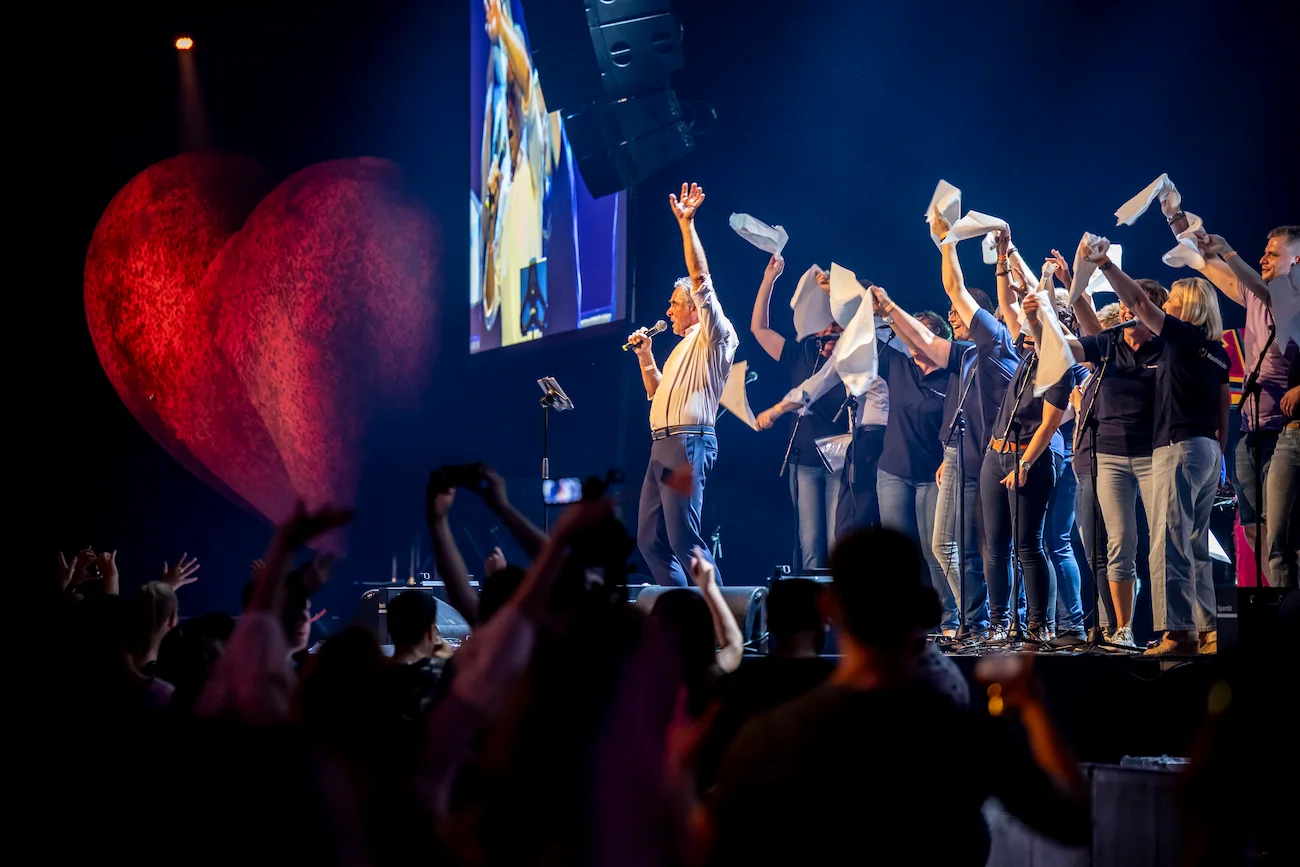
Not through channels, but through moments. Organising an internal communications event cuts through the noise. It lifts people out of their daily routine and puts them in a setting where they are open to a message. People do not listen because they have to. The setting invites them to be really present.

Which internal events work best?

Internal communications events come in many forms. The art is choosing the right format for your message, your audience and your organisational culture.

Kick-off. The kick-off is the classic starting gun for a new year, quarter or project. It works best when it is more than a look back and a look ahead. Add interaction. Let teams present themselves. Make it a moment that gives people energy, not one where they sit with their laptop on their knees.

Staff day. This is a yearly moment when the whole organisation comes together and it is the format for connection across departments. Combine content with encounter. Make sure there is a programme during the day and an informal part in the evening. That is where the real conversations happen.

Town hall / café session. This format is smaller and more intimate and you run it more often per year. The executive team in conversation with employees, without a script. It works well in organisations that hold transparency in high regard. The threshold must be low: no stage or microphone, just coffee and honest answers.

Roadshow. This format suits organisations with multiple sites. The same message, delivered locally. The signal that the executive team comes to the people instead of the other way round is at least as important as the content.

The right message for the right audience

Not every message belongs on a stage. And not every audience wants to sit in a room. The first question for an internal communications event is not 'what are we going to tell them?' but 'what should the audience do with it?'

If you want people to understand a new strategy, a plenary session with breakouts is effective. If you want teams to work together better, a shared experience is more powerful than a presentation. If you want employees to feel valued, an evening with entertainment and personal attention is worth more than a speech about appreciation.

We help organisations get clear on what they want to achieve. Not in vague terms like 'connection' or 'alignment', but concretely: what behaviour do you want to see afterwards? Which question should be answered? On top of that sits the feeling people take home with them. From those answers we build the format.

Choosing a venue for internal events

The venue of an internal event says something about the value you attach to it. The office is fine for a monthly update. But if you want people to remember it, take them out of their familiar surroundings.

An off-site venue sets a different tone. People behave differently when they are not sitting next to their own desk. They are more curious and more present. That is exactly what you need when you have something important to say.

Choose a venue that fits your organisation. A tech company in an industrial space. A healthcare organisation in a warm, human room. The venue is not a backdrop, it is part of your story. We know hundreds of venues across the Netherlands and help you find the right one.

Budget and planning for internal communications events

The cost of an internal event depends on the scale, the format and the ambition. A café session for 40 people at the office costs little more than coffee and cake. A staff day for 800 people with a programme, catering and entertainment is a different investment.

As a guideline: count on €50 to €200 per person for a well-organised internal event. That covers venue, catering, AV and programme. Entertainment, special production or an external speaker come on top of that.

More important than the budget is the lead time. Start preparing at least eight weeks ahead. For larger events, twelve weeks is more realistic. That gives you the room to sharpen the concept and align the message with stakeholders, without rushing.

Our advice: do not cut on the programme. An event without content is an expensive drinks reception. An event with a strong story and a well-thought-out format is an investment that pays itself back in engagement and clarity.

Why Live Impact for internal communication?

We get that internal events are nerve-wracking. You stand in front of your own people. Expectations are high. And if it does not go well, you hear about it on Monday at the coffee machine.

That is why we take the reins. Not over your message, that one is yours. But over how that message is delivered. We write the script and design the programme. We direct the day. We make sure the technology works, the timing is right and there is room for the unexpected.

Live Impact has been working since 1998 for organisations that take their internal communication seriously. From kick-offs for 50 people to staff days for thousands. We are IDEA-certified and work with a fixed team of professionals who know what it takes to deliver an event that makes internal impact.

Ready to really reach your team?

A strong internal event starts with one question: what do you want people to do or feel differently tomorrow? Call us with that answer, or call us if you do not yet have the answer. We help you sharpen it.

Call 085 401 40 14, email hello@live-impact.nl or fill in our online brief. You will hear from us within 24 hours.

Live Impact. Seriously fun.

Frequently asked questions

How do you use an event for internal communication?

Using an event as an internal communication channel works more powerfully than email. It creates direct, emotional contact that helps messages land better. Think of company gatherings where strategy is explained and questions are answered directly. Team-building events strengthen the culture. At product launches, staff experience the product themselves. And milestone celebrations reinforce company identity. The core: events make messages tangible. Staff remember events much longer than emails. Make sure leaders are actually present and don't limit themselves to a podium speech. Live Impact designs internal communication events with maximum authenticity and impact.

Want to know more? Read our full article →

What are the advantages of an internal communication event?

An internal communication event offers something email and intranet cannot: direct connection, contact and room to respond. Staff members experience the story instead of just reading about it. A good internal event strengthens engagement, clarity about the course and trust in the leadership.

It also creates a shared moment that connects people and strengthens a sense of 'us'. The ROI is hard to measure, but clearly tangible: people leave the building more motivated than they came in. Live Impact designs internal events that really land.

Want to know more? Read our full article →

How do you ensure staff engagement at internal events?

You build staff engagement at internal events through a handful of factors. Authenticity: leadership must genuinely believe what it says, not just read it off. Emotion: tie rational messages to emotional relevance, like 'this affects your future'. Repetition: one event isn't enough. Repeat core messages over several weeks. Q&A: give staff a voice, because their questions reveal the real concerns. Visible leadership: strong physical presence backs up the message. Avoid pre-scripted run sheets and vague action items. Live Impact coaches leaders on authentic communication and designs events where messages actually stick.

Want to know more? Read our full article →

Which communication strategy works best for corporate events?

The strongest communication strategy for internal corporate events combines timeliness, relevance and the right channel per audience. Announce early so people can plan their diaries. Then use multiple touchpoints. Think of a first announcement, a reminder email with programme details and finally a practical message just before the event.

Make the message personal and show what attending delivers. Live Impact helps you create a communication plan that fits your internal culture and channels.

Want to know more? Read our full article →

How do you measure the success of internal communication at events?

You measure the success of internal communication on three levels. First reach: how many staff experienced the message live or watched it back afterwards.

The second level is comprehension: ask three short questions in a survey within 48 hours, for example whether the strategy is clear. The third level is behaviour. Measure four to six weeks later whether teams apply the message in work meetings, presentations or daily priorities.

Compare scores with a baseline measurement beforehand. Qualitative signals count too: do core messages come back in conversations and emails.

Live Impact designs internal events with built-in measurement moments, so you know afterwards what landed.

Inspired
Moved?

Thank you!
Oops! Something went wrong while submitting the form.