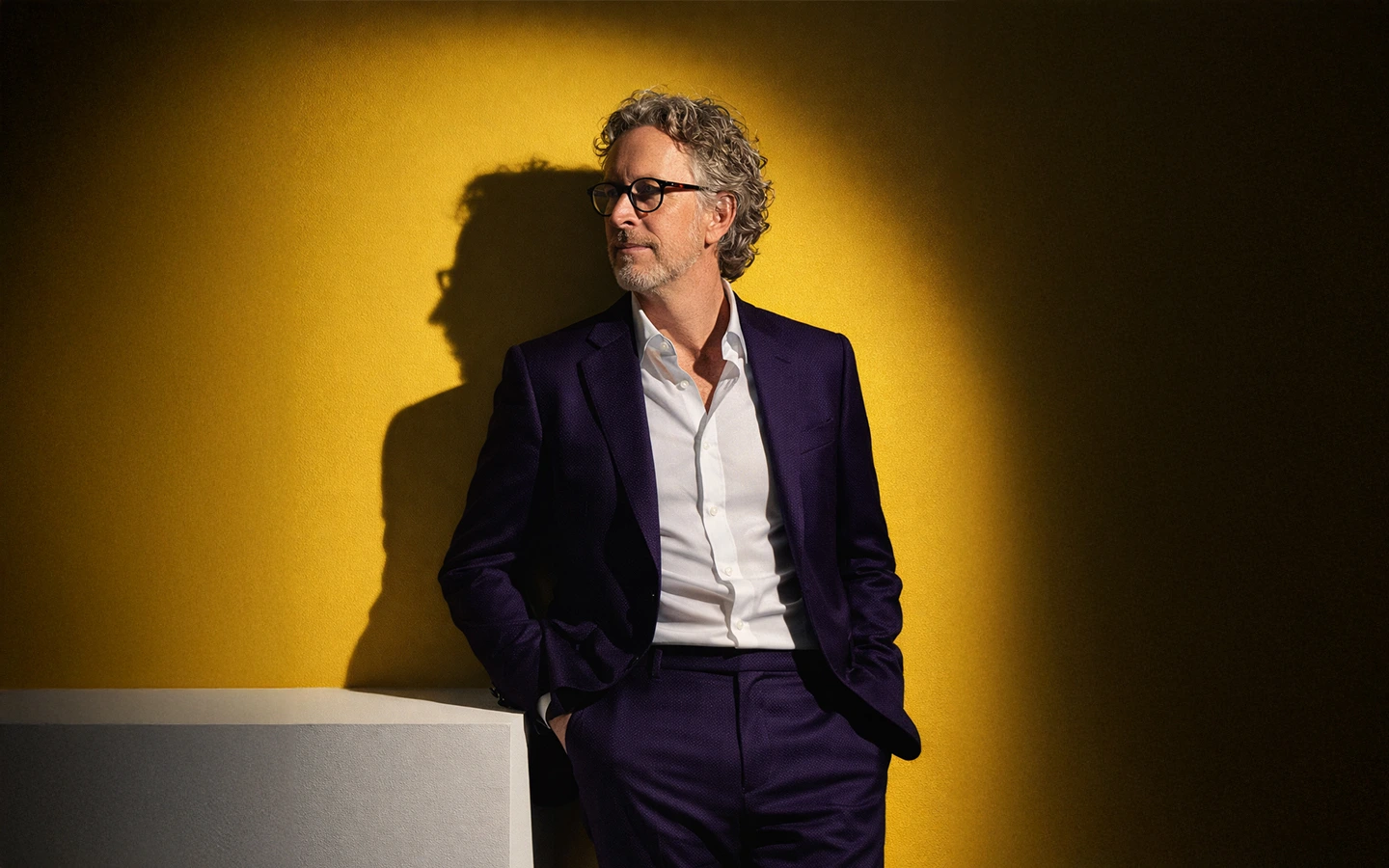
The linchpin behind your event

At Live Impact we're regularly asked: what does an event project manager (or event manager) actually do before and during an event? The answer lies, in large part, in everything you don't see on the night itself.

An event that runs smoothly looks effortless. But behind that smoothness sit months of planning, coordination, supplier liaison and run-sheet work. That's the project manager's domain. He or she is the linchpin who holds all the threads together: from brief to drinks.

What does a project manager do for a corporate event?

The project manager is responsible for the full preparation and delivery of the event. That starts with translating the brief into a concrete plan. Which suppliers are needed? What's the timeline? And what are the critical decision points?

Next, the project manager coordinates all the parties involved: venue, caterer, technical production company, performers, print suppliers, audiovisual firms. Everyone has their own schedule, quote and point of contact. The project manager is the central point that brings it all together.

Another core task is budget management. Corporate events can carry high costs, and a good project manager keeps precise track of the total spend. Through an extensive supplier network, he or she can usually buy sharply and guarantee dependable quality.

On the day itself: the project manager in action

On the day of the event, the project manager is the operational lead. He or she is there early, coordinates the build, watches the timeline and solves problems. Often before the client even notices them.

The project manager has made a detailed run sheet (minute by minute) and is in constant communication with the technical producer, show caller and stage manager. If anything deviates from the plan, the project manager knows first. And usually already has a solution.

Afterwards, the project manager handles the breakdown, the supplier settlements and the evaluation. A good wrap-up conversation (what went well, what could be better) is the basis for an even better next event.

Internal vs external: when do you bring in an agency?

Many companies organise their first events internally. That works fine for small gatherings. But as soon as the event gets larger, more complex or more strategically important, it pays to bring in an external agency.

An external project manager brings what's rarely there internally: expertise, a supplier network and creative distance. He or she has organised dozens of comparable events, knows what works and knows the pitfalls. And if something goes wrong, they have the experience to adapt fast.

At Live Impact the project manager is always part of a team: alongside a concept thinker and a technical producer. So you have one point of contact for the whole journey, from concept to confetti.

What makes a good event project manager?

A good event project manager combines a keen eye for detail with the ability to keep the overview. He or she is proactive, not reactive, and always stays a step ahead of the schedule.

Communication is the heart of the craft. A project manager works at the same time with the client, ten suppliers, the internal team and the venue. Everyone needs the right information in time. That calls for clear, direct communication and flawless administration.

And finally: calm under pressure. On the day of the event, things always go differently than planned. A good project manager takes that in their stride and resolves it without the client noticing a thing.

What does a project manager for your event cost?

The cost of a project manager depends on the size and complexity of the event. For small events (up to 100 people) reckon on 40 to 80 hours of project management. For larger events (100 to 500 people or more) this rises to 100 to 250 hours.

At events agencies the project manager is usually included in the agency fee or the hourly rate. At Live Impact we always work with a transparent budget: you know in advance how many hours go into the management. And what we do for you.

The investment that pays for itself

A good project manager pays for themselves. Through better supplier rates, smarter choices and avoiding expensive mistakes. But also through something harder to put a figure on: the certainty that it will turn out well.

At Live Impact the project manager is the person who treats your event as if it were their own party. From the first brief to the last invoice. So you can focus on what matters: your people, your message and your guests.

Want to talk through what a project manager could mean for your event? Call us on 085 401 40 14 or email hello@live-impact.nl.

Seriously fun.

Frequently asked questions

Kan Live Impact helpen bij het organiseren van een bedrijfsevenement?

Ja. Live Impact is een conceptbureau voor zakelijke evenementen. Wij helpen bij het complete traject: van eerste brainstorm en conceptontwikkeling tot locatiekeuze, programmering en productie.

Of je een personeelsfeest, congres, kick-off, jubileum of relatie-evenement plant: wij denken mee. We stellen scherpe vragen en zorgen dat het resultaat blijft hangen.

Neem contact op via hello@live-impact.nl of bel +31 85 401 40 14.

Lees ons volledige artikel over bedrijfsevenement organiseren →

Hoeveel tijd heb je nodig om een bedrijfsevenement te organiseren?

Begin minimaal drie maanden van tevoren. Voor grote evenementen (300+ gasten, complexe productie) is zes maanden realistischer.

De organisatie verloopt in vier fases. Eerst het fundament leggen (12 tot 10 weken voor de datum), dan concept en partners (10 tot 6 weken). Vervolgens de uitwerking (6 tot 3 weken) en tot slot uitvoering plus nazorg in de laatste 3 weken. Populaire locaties en artiesten zijn in het najaar snel volgeboekt.

Bekijk de volledige fasering in ons artikel →

Hoe schrijf je een goede briefing voor een bedrijfsevenement?

Een goede briefing bevat minimaal zes elementen. Dat zijn: het doel, de doelgroep, het aantal gasten, de gewenste datum, het budget en randvoorwaarden (locatie, dieetwensen, reistijd).

Schrijf het op één A4. Deel het met je projectteam en je bureau. Zonder briefing werkt iedereen vanuit aannames. Dat levert een rommelig resultaat.

Lees het complete artikel met alle briefing-elementen →

Wat is het verschil tussen een bedrijfsevenement en een personeelsfeest?

Een personeelsfeest is specifiek voor medewerkers: intern, vertrouwd, de sfeer is losser. Een bedrijfsevenement is breder en kan een personeelsfeest zijn, maar ook een congres, kick-off, jubileum of relatie-evenement.

Het verschil zit in de aanpak: een personeelsfeest draait om vieren en verbinden. Een bedrijfsevenement kan ook strategische doelen dienen, zoals kennisdeling, merkpositionering of cultuurverandering.

Meer over bedrijfsevenement organiseren →

Wat kost het om een bedrijfsevenement te organiseren?

Een zakelijk evenement kost ongeveer €200 tot €500+ per persoon ex. btw bij 250 tot 500 gasten. Voor 500 tot 1.000 gasten reken je op ongeveer €150 tot €400+ per persoon. Voor 1.000 tot 2.000 gasten reken je op ongeveer €125 tot €350+ per persoon. Voor meer dan 2.000 gasten reken je op ongeveer €100 tot €300+ per persoon. Alle bedragen exclusief btw, inclusief locatie, catering, entertainment en productie.

Het exacte budget hangt af van het type, de locatie en het programma. Bovenstaande brackets geven de breedte aan voor een gemiddeld zakelijk evenement.

Lees ons complete artikel over bedrijfsevenement organiseren →

Inspired
Moved?

Thank you!
Oops! Something went wrong while submitting the form.