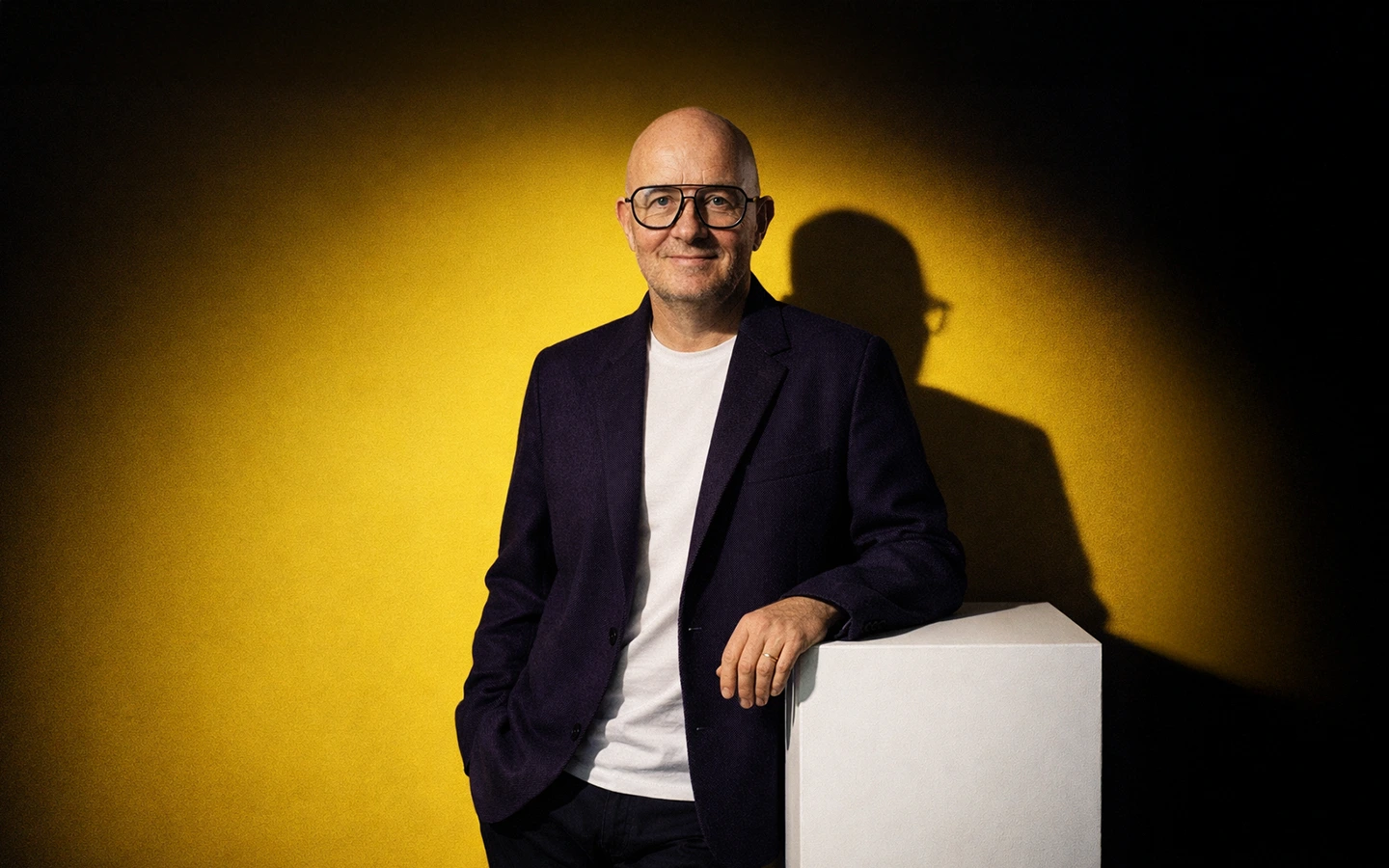
When a VIP guest changes everything

You've invited a minister. Or an ambassador. Maybe even a member of the Royal House. Welcoming dignitaries at your event is huge recognition for your organisation. But at the same time, something fundamental about your event changes.

A dignitary isn't an ordinary speaker or guest of honour. Around his or her presence there are strict protocols, security requirements and logistical arrangements. You have to work those out down to the detail in advance. Not as a formality, but as a necessity. A misstep in the preparation can lead to stressed guests or a chaotic arrival. In the worst case, the guest pulls out shortly before the event.

In this article we explain what a dignitary means for your planning, your programme and your production. Do it well, and the value added is enormous. Think prestige, media attention and an unforgettable memory for everyone present.

Also read: Event safety: security, first aid and a solid safety plan →

Protocol: what does a dignitary expect?

Protocol isn't a bureaucratic hurdle. It's a system of arrangements that makes sure everything runs smoothly. No one ends up in an awkward position. And the guest feels welcomed and respected. For dignitaries there are specific protocol expectations, and they vary by role.

The most senior representative of your organisation (the chair of the board of directors or the CEO) receives a minister. A member of the Royal House is always greeted by the host or hostess in person, not by a staff member. An ambassador often brings along an aide from the protocol office of the Ministry of Foreign Affairs.

What are the practical protocol points to watch? The first point is titles and forms of address: "Your Excellency" for ministers and ambassadors, "Your Royal Highness" for members of the Royal House. Train your hosts and hostesses on this explicitly. The second point is the receiving line: who shakes a hand first and the order in which people are introduced to each other is standardised. The third point is the seating plan. If there's a dinner, protocol decides who sits next to the VIP guest. That isn't a matter of preference, but of rank and role.

Get in touch in good time with the communications department or the protocol office of the guest. They will send you a visit programme and indicate which requirements and wishes apply. That document is your guide for the rest of the preparation.

Security: coordination with the DKDB or RVD

As soon as a dignitary confirms they will attend, security takes a central role in your planning. And that security isn't something you arrange yourself. You coordinate with professionals.

For government ministers and other protected persons, the Dienst Koninklijke en Diplomatieke Beveiliging (DKDB — the Dutch Royal and Diplomatic Protection Service) or the Rijksrecherche (the Netherlands Police Internal Investigations Department) takes the lead. For members of the Royal House, the Dienst Koninklijke Beveiliging (DKB — Royal Protection Service) is involved. They get in touch well in advance, sometimes weeks before the event, for a survey of the venue. They assess the entry and exit points, the emergency exits, the parking for support vehicles and the so-called "safe rooms". Those are rooms that can be sealed off and secured if needed.

Your role as organiser is to facilitate this survey. That means: making the venue available for an advance survey and supplying floor plans on request. On top of that you provide clarity on which other guests will be present and how they'll be accredited. Communication runs through one fixed point of contact on your side, usually the event manager or producer. Multiple contacts cause confusion.

Bear in mind that security requirements have consequences for your standard guest route. Detection gates may be installed. Certain rooms get closed off to regular guests. And there are always visibly present security officers. Communicate this to your guests in advance so they aren't taken by surprise.

Adapting the programme for a VIP presence

A dignitary has a tight schedule. Arrival and departure times are precisely set and rarely slip. That has direct consequences for how you build your programme.

First of all: build in flexibility. Allow for a delay of 15 to 30 minutes on arrival. This has nothing to do with rudeness: it's a consequence of the full diary of the guest. Never schedule the reception right at the start of a plenary programme. Always provide a buffer.

How do you position the VIP guest in the programme? An opening speech by a minister gives your event weight and an official quality. Closing words by a state secretary lift the final impact. Choose deliberately. Discuss this with the communications department of the guest: they also have a preference.

Content is another point of attention. Send the guest a programme description and a short briefing document well in advance. Describe who the other speakers are, what the theme is and what you expect of his or her contribution. Write a draft speech if helpful. That saves the guest time and ensures a sharp, relevant story.

Also read: Organising a conference: from theme to stage →

Logistics: arrival, walking route and length of stay

The logistics around a dignitary is detailed. A single weak link can tip the whole reception over. For instance an unclear driving route. A driver who takes the wrong entrance. Or a host who isn't there in time.

Arrival: arrange a separate, closed arrival route for the guest's vehicle. Public parking in front of the entrance is not an option. There must be several reserve parking spaces for support vehicles. The access road has to be wide enough for a motorcade.

Reception: the host or hostess stands outside by the car as soon as the guest arrives. Not a minute and a half later, not in the foyer. Outside, by the vehicle. Practise this with your team beforehand.

Walking route inside: survey the route from arrival to reception room. Watch out for obstacles, stairs without a lift and doors that are hard to open. Provide a smooth route and have a guide walk in front.

Length of stay: a VIP guest stays at an event for 60 to 90 minutes on average. Plan your programme so that the essence of your message is delivered within that window. Departure: keep the route clear, make sure the vehicle is ready and say a warm goodbye. A good departure moment leaves a lasting impression.

Why you don't sort this on your own

Coordinating dignitaries calls for experience that most internal event teams don't have. Not because they aren't capable, but because protocol, security coordination and VIP logistics are disciplines in their own right.

We have been working on events with dignitaries present for many years. Think anniversaries of government agencies, conferences where ministers set the tone, and gala evenings with royal guests. We know how to communicate with the DKDB and what a protocol briefing looks like. On top of that, we know how to build an event that lands for everyone in the room.

But above all: we make sure the event is wonderful for every guest. Not just for the dignitary. The magic lies in the VIP presence reinforcing the event for everyone there. That happens by itself when the organisation is right.

Maybe you're considering inviting a dignitary to your event. Or you already have a confirmation and don't know where to start. We'll help you on your way.

Ready to do this well?

A dignitary at your event is an opportunity. For prestige, for media attention, for a moment that stays with people. But you only cash in on that opportunity if the preparation is right.

Protocol, security, logistics, programme: each one is a discipline that asks for attention. And when you arrange them well, no one notices how much work went in. The VIP guest speaks, the guests are impressed and the event has reached its goal.

We at Live Impact are happy to think along with you. From the first invitation to the departure moment. Get in touch via hello@live-impact.nl or call us on 085 401 40 14. We are here for the events that matter.

Seriously fun.

Frequently asked questions

Wat zijn de protocolvereisten bij een evenement met hoogwaardigheidsbekleders?

De protocolvereisten bij evenementen met hoogwaardigheidsbekleders hangen af van hun functie en het beveiligingsniveau. De basiseisen volgen hieronder. Eén: sterke identificatie en controle van alle gasten en medewerkers vooraf. Twee: beveiligingscontrole op locatie waar mogelijk. Drie: een VIP-ruimte of aparte ontvangstruimte. Vier: aangewezen beveiligingscoördinatoren. Vijf: een exact tijdschema met aankomst, spreektijd en vertrek. Zes: een vooraf besproken communicatieprotocol. Zeven: cameratoezicht waar nodig. Acht: goed ingelicht ondersteunend personeel. Regelmatig overleg met het beveiligingsteam is essentieel. Live Impact werkt volgens landelijke veiligheidsstandaarden en heeft ervaring met deze protocollen.

Lees ons complete artikel →

Hoe organiseer je beveiliging voor hoogwaardigheidsbekleders?

Beveiliging voor hoogwaardigheidsbekleders vereist expertise en voorbereiding. De stappen volgen hieronder. Eén: bepaal het vereiste beveiligingsniveau, waarbij AIVD en Koninklijke Marechaussee kunnen meedenken. Twee: huur professionele beveiligingsbedrijven in die ervaring hebben. Drie: voer toegangs- en uitgangsprotocollen in. Vier: zorg voor directe communicatie tussen beveiliging en organisatie. Vijf: bepaal verboden zones. Zes: zorg voor alternatieve routes. Zeven: communiceer duidelijk naar alle medewerkers. De kosten voor professionele beveiliging: 3.000 tot 15.000 euro per dag, afhankelijk van het niveau. Live Impact regelt de afstemming met beveiliging professioneel.

Lees ons complete artikel →

Welke aandachtspunten gelden bij de ontvangst van hoogwaardigheidsbekleders?

De ontvangst bepaalt de toon. Zorg dat de hoogste functionaris van jouw organisatie de gast persoonlijk verwelkomt. Regel een vaste parkeerplaats of rijdienst, zodat de aankomst vlekkeloos verloopt.

Houd een korte oriëntatie klaar: waar gaan we naartoe, wie ontmoet u, hoe lang duurt uw programma. Vermijd wachttijden en improvisatie. Stem de mediamomenten vooraf af via de communicatieafdeling. Zorg dat het vertrek even soepel verloopt als de aankomst. Live Impact begeleidt deze protocollen met ervaring en discretie.

Lees ons complete artikel →

Hoe pas je een evenementprogramma aan voor hoogwaardigheidsbekleders?

Programma-aanpassingen voor hoogwaardigheidsbekleders gaan meestal over planning en inhoud. De voorkeuren van VIP-gasten volgen hieronder. Eén: zorg dat hun spreek- of optredensmoment op een optimaal moment valt, dus niet te vroeg en niet te laat. Twee: pas inleiding en afsluiting aan op hun status. Drie: plan een plenair moment als hun bijdrage van belang is, dus niet in deelkamers splitsen. Vier: zorg voor interactie als zij dat willen, bijvoorbeeld via een panel of vragenronde. Vijf: bouw reservetijd in voor hun aankomst en vertrek. Zes: communiceer de planning duidelijk maanden van tevoren. Bij wetenschappers of specialisten kun je inhoudelijk aanpassen zonder te betuttelen. Live Impact adviseert over de programmering op basis van hun rol.

Lees ons complete artikel →

Heeft Live Impact ervaring met evenementen voor hoogwaardigheidsbekleders?

Ja, Live Impact heeft uitgebreide ervaring met evenementen voor hoogwaardigheidsbekleders. We hebben internationale conferenties, staatsbezoeken en zakelijke evenementen met VIP-gasten georganiseerd. Ons netwerk omvat beveiligingsprofessionals, protocoladviseurs en evenementmanagers die gespecialiseerd zijn in VIP-begeleiding. Wij zorgen dat elk detail professioneel en soepel verloopt: van aankomst tot evaluatie. Laat ons jouw VIP-evenement op topniveau organiseren.

Lees ons complete artikel →

Inspired
Moved?

Thank you!
Oops! Something went wrong while submitting the form.